Termination Tools
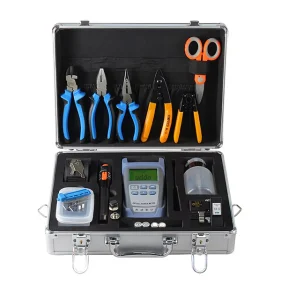
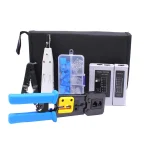
Fiber Optic Termination Kit
Fiber optic termination kits with strippers, cleaver, crimp tool, polish and inspection tools for complete field terminations. Request a quote.

Termination is the last step before a connection carries traffic, and it is where careful work pays off or careless work comes back to haunt you. Whether the job is seating a field connector onto a fiber or punching a copper pair down into a patch panel, the right termination tool makes the connection mechanically sound and electrically or optically clean — the first time. As a termination tool manufacturer and supplier, Aevumix has built termination tools for fiber and copper alike across three decades.
The line covers fiber field-termination tools, punch-down tools for 110 and other IDC blocks, and the impact and multi-pair tools that finish copper cross-connects. All are configurable and open to OEM and ODM supply.
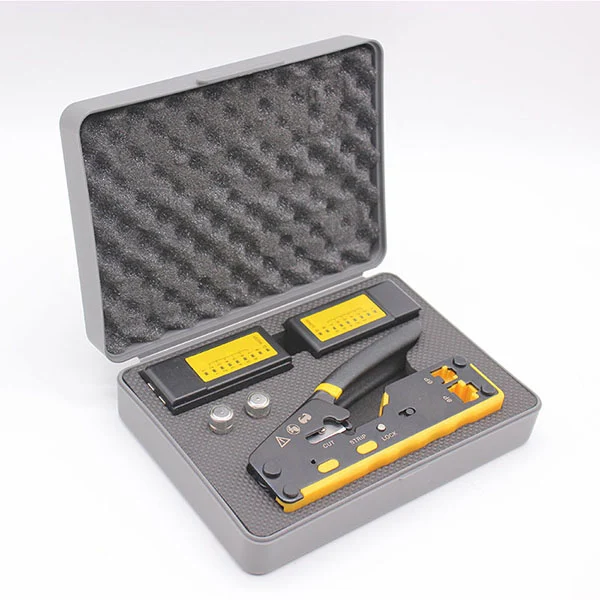
Fiber optic termination kits with strippers, cleaver, crimp tool, polish and inspection tools for complete field terminations. Request a quote.
Explore related categories across industry, application, and performance attributes.
 Fiber Cleavers High-precision fiber cleavers that produce a flat, sub-degree end face for low-loss fusion splicing and connectors. Consistent cleave angle across thousands of cuts, high blade life with multiple indexed positions, and options for standard 250um fiber and flat FTTH drop cable.
 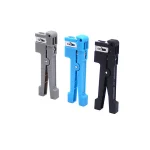 Fiber Stripper Precision fiber strippers that remove coating, buffer and jacket without nicking the glass beneath. Calibrated gauges for 250um and 900um coating and cable jacket, in single-port and multi-port designs — clean, no-nick removal that prevents fractures and fouled splices.
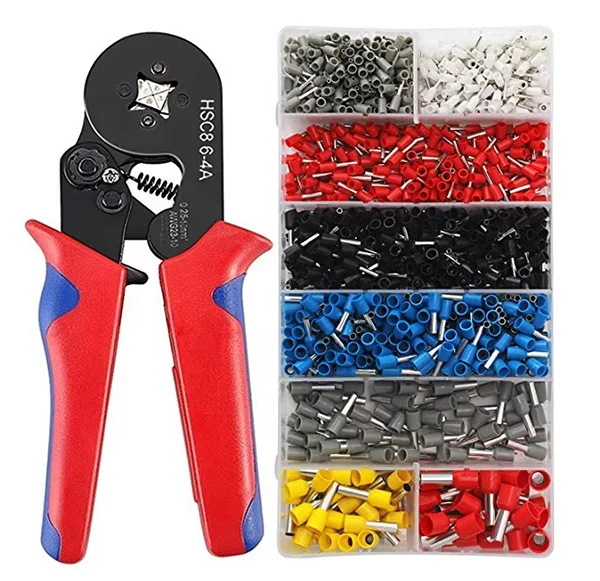
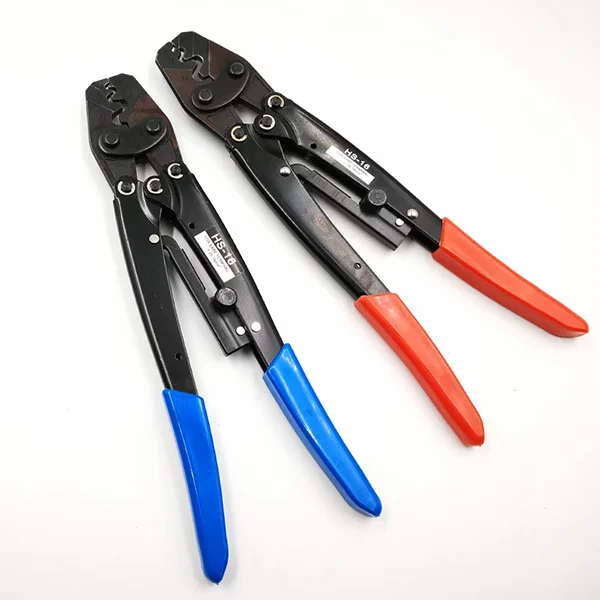
  Crimping Tools Ratcheted crimping tools with interchangeable dies for fiber connectors, RJ45 modular plugs and coax F-connectors. The ratchet guarantees full, consistent crimp force every time, and one handle spans four-, six- and eight-position plugs plus coax — a single tool for a mixed kit.
 Fiber and Copper Termination
Termination tool covers two families that share a goal — a permanent, reliable connection — but work very differently.
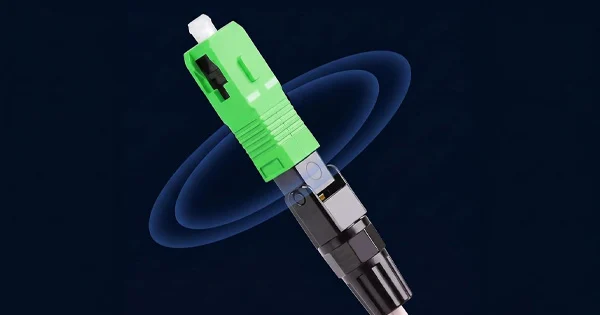
On the fiber side, a field-termination tool seats a mechanical or field-installable optical fiber connector onto a prepared fiber, aligning and securing it so the end face mates cleanly; this is what lets a crew connectorise on site without a fusion splicer. Precision and repeatability decide whether that field connector performs like a factory one.
On the copper side, termination means insulation-displacement: a punch-down tool presses a conductor into an IDC contact that slices through the insulation to make gas-tight metal contact, then trims the excess in the same stroke. An impact mechanism delivers consistent force so every punch seats fully, and multi-pair versions terminate a whole block at once.
Choosing well means matching the tool to the block standard — 110 is the common one in structured cabling — and to the volume: a single-pair impact tool for patching, a multi-pair tool for cabling out a frame. Both families answer to the same test: does the termination hold and perform under years of service?
OEM / ODM Programs
A termination tool is defined by what it terminates, so we configure it to your customers' work. On the fiber side, field-connector tooling is matched to the connector systems you support. On the copper side, we set punch-down blades to the block standards your market uses — 110 among them — and offer impact and multi-pair mechanisms for single or gang termination.
Branding runs through the tool. The body and handle finish, the printed logo, and the packaging ship as your product, and termination tools complete a private-label kit alongside strippers, cleavers, and crimpers.
It is a termination-tool line built to your block and connector standards — fiber and copper — delivered at a workable MOQ, with samples so you can confirm the seat and the trim on your own hardware before committing.
Need a Custom Termination Tool?
Tell us the fiber connectors and copper block standards your customers terminate. We will match them to a termination tool built for your workflow and your brand.
NDA available · ISO-aligned production · English & technical support
Six dimensions define a termination-tool build. Use them as your OEM brief.
Fiber field-connector seating or copper insulation-displacement — the two families that define the tool.
110 and other IDC blocks on the copper side; the field-connector systems you support on the fiber side.
Consistent, spring-loaded force ensures every punch seats fully and trims cleanly, regardless of operator.
Single-pair impact tools for patching; multi-pair (gang) tools for terminating a whole block at once.
Swappable blades let one handle serve multiple block standards and include cut/no-cut options.
Grip, balance, and build quality decide whether the tool stays accurate through high-volume termination work.
Share your fiber connectors and copper block standards; we confirm the termination-tool configuration.
We set blades, mechanism, and body, then align OEM finish and packaging to your brand.
Samples let you confirm seat and trim quality on your own hardware before volume.
Stable manufacturing with consistent QC, flexible MOQs, and global logistics for ongoing supply.
Consistent impact force and precise blades produce seats and punches that hold under years of service — the only measure that counts.
Blades, mechanisms, bodies, and packaging all ship under your brand — a private-label termination-tool line, not a re-badged unit.
Field-connector and punch-down tooling from one source simplifies sourcing for contractors who work both.
A real engineer, usually within a business day, for distributors in 40+ countries.
How to connect two fiber optic cables: fusion splicing, mechanical splicing, and connectors compared, with steps, trade-offs, and the strip-clean-cleave basics.
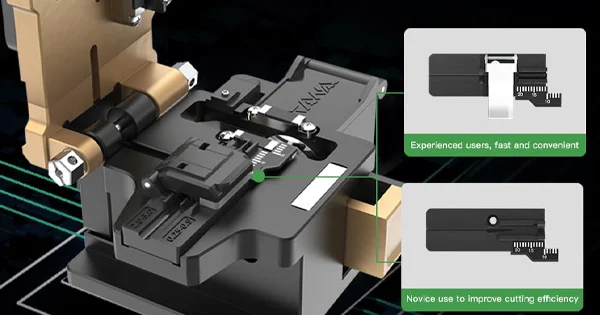
How to cut optical fiber cable properly: strip, clean, and cleave in sequence, the tools you need, safety, and the mistakes that ruin an end face.
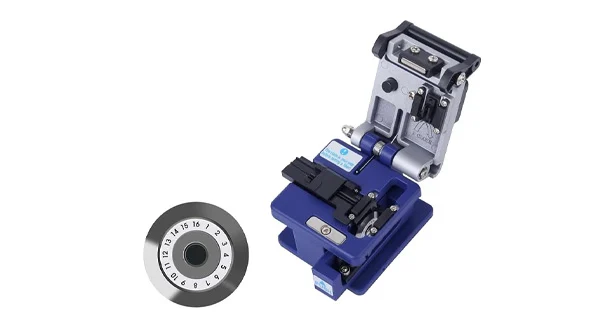
A fiber cleaver creates a flat, perpendicular end face on optical fiber for splicing and termination. Learn how it works, cleaving vs cutting, and why cleave quality matters.
To make a permanent connection: on fiber, seating a field-installable connector onto a prepared fiber; on copper, punching a conductor into an IDC block. Both create the reliable end connection a link depends on.
It presses a copper conductor into an insulation-displacement contact — the contact slices through the insulation to make gas-tight metal contact — and trims the excess in the same impact stroke.
It delivers consistent force so every punch seats fully and identically, regardless of operator strength. Inconsistent seating is a common source of intermittent copper faults.
110 is the common IDC block, and interchangeable blades let one tool serve multiple standards. We configure blade sets to the blocks your customers use.
Yes, with a multi-pair (gang) termination tool, which seats an entire block in one action — far faster than single-pair punching when cabling out a frame.
Yes. Field-connector tooling seats mechanical and field-installable fiber connectors on site, letting crews connectorise without a fusion splicer.
Fully. Blade set, mechanism, body finish, and packaging all carry your brand, at low MOQs — and complete a private-label termination kit.
Tell us about your application and we will respond with material recommendations, sample options, and pricing as soon as possible.