Fiber Stripper
Armored Fiber Optic Cable Stripping Tool
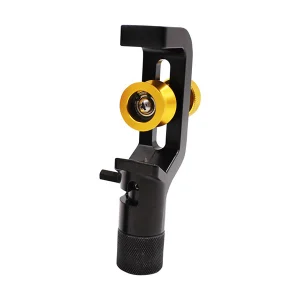
Armored cable stripping tools that score and remove steel armor safely without damaging the fibers inside. Request a quote.

Before a fiber can be cleaved, spliced, or connectorised, its coating has to come off — cleanly, completely, and without touching the glass underneath. That is a harder job than it sounds: strip too shallow and residue fouls the splice, strip too aggressively and a nick in the cladding becomes a break weeks later.
A precision fiber stripper is what makes the first step of every termination reliable, and As a fiber stripper manufacturer and supplier, Aevumix has built them to that standard for 16 years.
The line runs from single-hole precision strippers to multi-port and rotary tools, plus jacket and drop-cable strippers for the outer layers. All are configurable and open to OEM and ODM supply.
Armored cable stripping tools that score and remove steel armor safely without damaging the fibers inside. Request a quote.
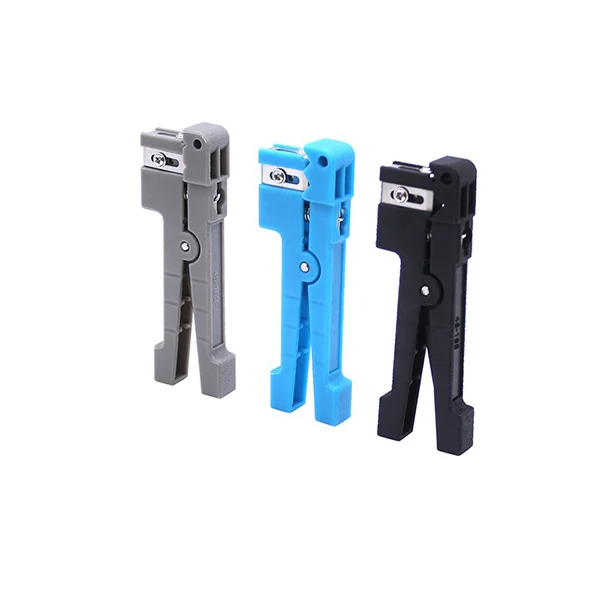
Fiber cable jacket stripping tools that open the outer jacket to a controlled depth without nicking buffer tubes or fibers. Request a quote.
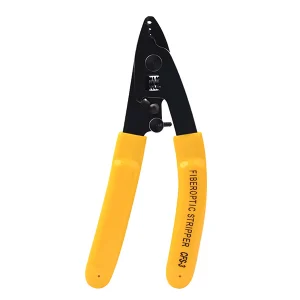
Flat drop cable stripping tools that open FTTH flat drop cable and separate its strength members cleanly. Request a quote.
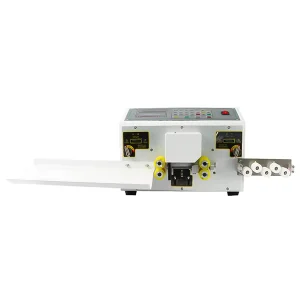
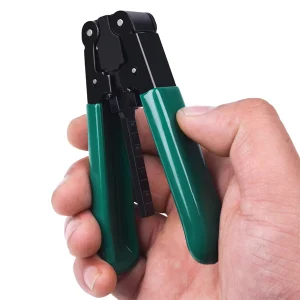
Automated fiber cable stripping machines for fast, consistent jacket and coating removal in production and high-volume work. Request a quote.
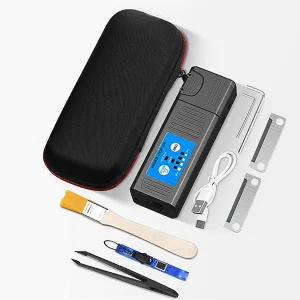
Thermal fiber stripping tools that soften the coating with controlled heat to remove it cleanly — no nicks, no weakened glass. Request a quote.
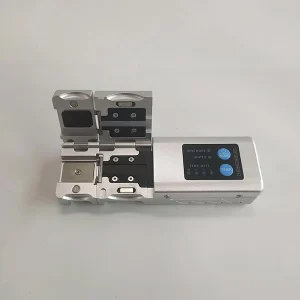
Replacement hot stripper blades that maintain clean, nick-free thermal coating removal. Matched to common thermal strippers. Request a quote.
Explore related categories across industry, application, and performance attributes.
 Fiber Cleavers High-precision fiber cleavers that produce a flat, sub-degree end face for low-loss fusion splicing and connectors. Consistent cleave angle across thousands of cuts, high blade life with multiple indexed positions, and options for standard 250um fiber and flat FTTH drop cable.
 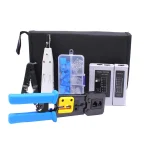 Crimping Tools Ratcheted crimping tools with interchangeable dies for fiber connectors, RJ45 modular plugs and coax F-connectors. The ratchet guarantees full, consistent crimp force every time, and one handle spans four-, six- and eight-position plugs plus coax — a single tool for a mixed kit.
 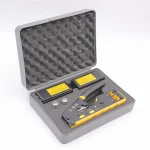 Termination Tools Termination tools for both fiber and copper: field-termination tools that seat mechanical connectors on site, and impact punch-down tools for 110 and other IDC blocks. Single-pair and multi-pair versions with interchangeable blades for fast, reliable connections that hold up.
 Layers and Gauges
An optical fiber is built in layers — the 125 µm glass, a 250 µm coating, often a 900 µm tight buffer, then cable jacket — and stripping means removing each without harming the one beneath.
Unlike a copper wire stripper, the tool that does it well has precisely matched gauges: an edge geometry that grips and pulls the coating cleanly while holding clear of the cladding. Get the gauge right and the glass emerges pristine, ready for cleaving and fusion splicing; get it wrong and you leave residue for the splice, or worse, a microscopic nick that becomes a fracture under stress.
Selection follows the layers you work with. A single, precise gauge suits a technician terminating one fiber type all day; a multi-port stripper handles 250 µm coating, 900 µm buffer, and cable jacket in one tool, which is why it dominates mixed field kits. For outer layers, jacket strippers and drop-cable openers deal with the cable construction FTTH crews meet every day.
The through-line is no-nick precision — the stripper's one job is to reveal clean glass without ever marking it.
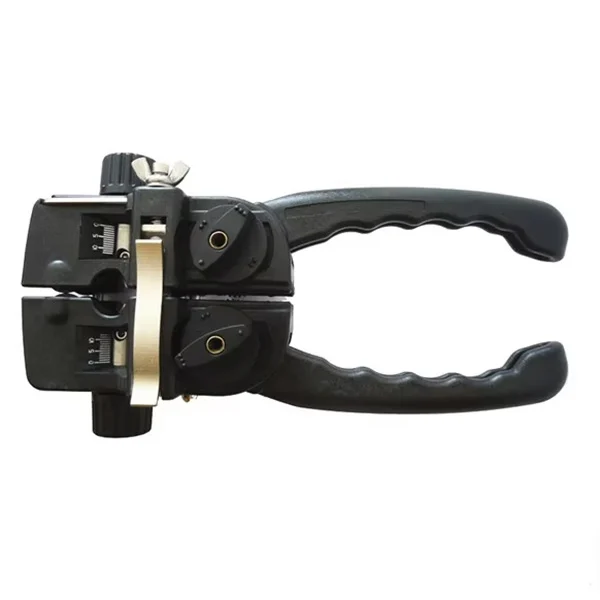
OEM / ODM Programs
A stripper is defined by its gauges, so we calibrate them to the fiber and cable your customers actually handle — 250 µm and 900 µm coating and buffer steps, jacket-strip diameters, and drop-cable openers, in single-port precision or multi-port combinations. The blade geometry is set for clean, no-nick removal on your specified coatings.
Branding runs through the tool. The body and handle finish, the printed logo, and the packaging ship as your product, and strippers pair naturally into a private-label termination kit with cleavers and crimp tools. It is a stripper line built to your layer set and your cable types, delivered at a workable MOQ, with samples so you can confirm clean removal on your own fiber before committing.
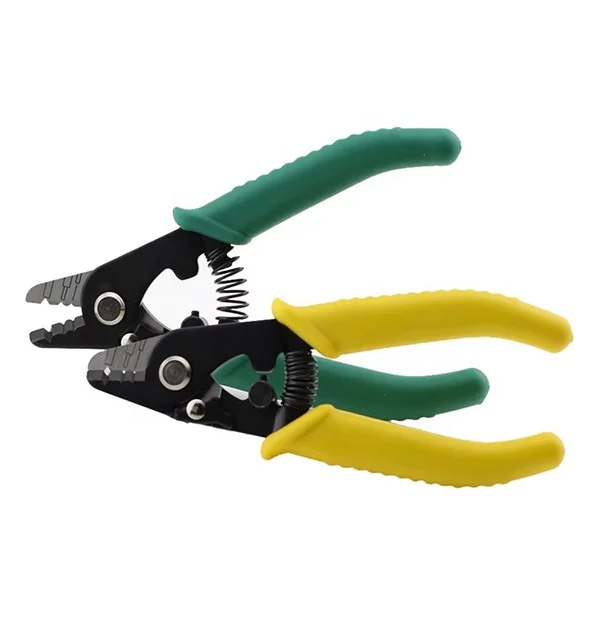
Need a Custom Stripper?
Tell us the coatings, buffers, and cable jackets your customers strip. We will match them to a stripper built for your workflow and your brand.
NDA available · ISO-aligned production · English & technical support
Six dimensions define a stripper build. Use them as your OEM brief.
Matched steps for 250 µm coating, 900 µm buffer, and jacket — the precision that removes each layer without touching the next.
Single-port for one fiber type, or multi-port to handle coating, buffer, and jacket in one tool.
No-nick edge design that grips and pulls the coating while holding clear of the cladding — the core of a safe strip.
Standard fiber, tight-buffer, and flat drop cable each need matched openers and gauges.
Rotary strippers for cable jackets and larger diameters; fixed-gauge tools for precise coating removal.
Grip and build quality decide whether the tool stays accurate through daily field use.
Share your coatings, buffers, and cable jackets; we confirm the stripper configuration.
We set gauges, ports, and blade geometry, then align OEM body and packaging to your brand.
Samples let you confirm clean, no-nick removal on your own fiber before volume.
Stable manufacturing with consistent QC, flexible MOQs, and global logistics for ongoing supply.
Precisely matched gauges remove coating and buffer without scoring the cladding — the single most important thing a stripper does.
Gauges, ports, bodies, and packaging all ship under your brand — a private-label stripper line, not a re-badged unit.
Multi-port designs handle 250 µm, 900 µm, and jacket in a single tool, ideal for mixed field kits.
A real engineer, usually within a business day, for distributors in 40+ countries.
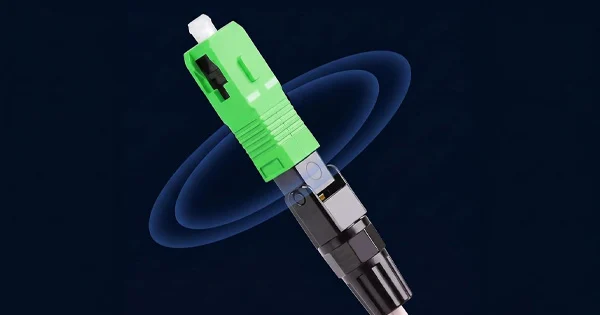
How to connect two fiber optic cables: fusion splicing, mechanical splicing, and connectors compared, with steps, trade-offs, and the strip-clean-cleave basics.
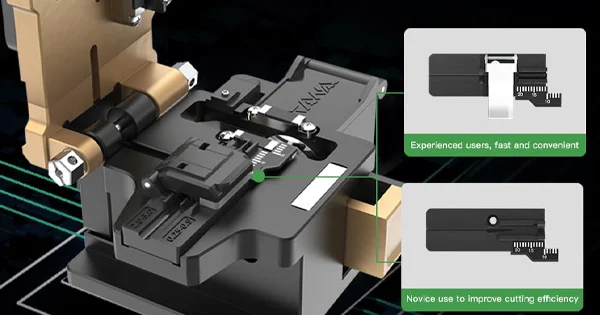
How to cut optical fiber cable properly: strip, clean, and cleave in sequence, the tools you need, safety, and the mistakes that ruin an end face.
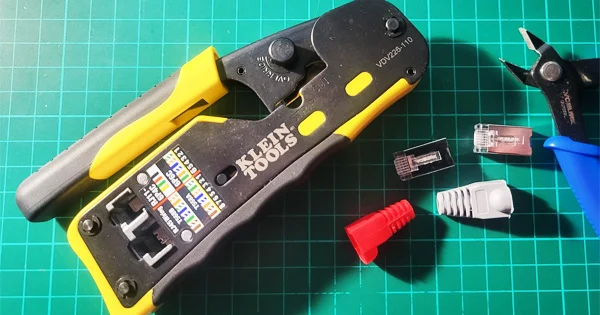
A complete cable termination tools list for copper and fiber: strippers, crimpers, punch-down tools, cleavers, splicers, and the testers to verify your work.
The coating and buffer layers — and, with the right tool, the cable jacket — down to the bare 125 µm glass, without nicking the cladding. Clean stripping is the precondition for a good cleave and splice.
Because its gauge is matched to the layer. A calibrated gauge pulls the coating while holding clear of the glass; a generic blade risks a nick that becomes a break under stress later.
Single-port suits one fiber type worked all day; multi-port handles 250 µm coating, 900 µm buffer, and jacket in one tool — the usual choice for mixed field kits.
With the right tool, yes. Flat FTTH drop cable needs a matched opener; we configure strippers for the cable constructions your customers meet.
That the tool removes the coating without scoring the cladding. A nick is a stress point that can fracture later, so no-nick geometry is a safety-critical spec, not a marketing phrase.
Yes — rotary tools suit cable jackets and larger diameters, while fixed-gauge strippers handle precise coating removal. Many kits carry both.
Fully. Gauge set, body finish, and packaging all carry your brand, at low MOQs — and pair into a private-label termination kit.
Tell us about your application and we will respond with material recommendations, sample options, and pricing as soon as possible.