
From stripping to cleaving to crimping, this range let us standardize our termination kits across every crew. Quality is uniform and durable in daily use. Consolidating tool sourcing here simplified our whole operation.

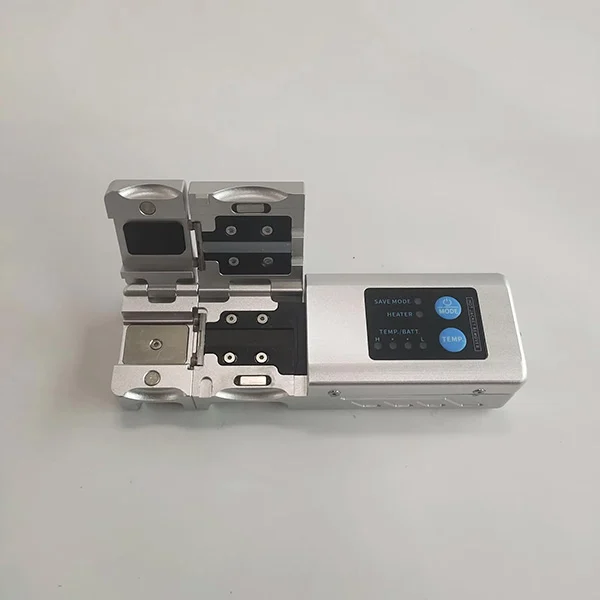
Replacement hot stripper blades that maintain clean, nick-free thermal coating removal. Matched to common thermal strippers. Request a quote.
The blade in a thermal (hot) stripper guides the softened coating off the fiber cleanly, and its condition determines whether the stripped fiber emerges pristine or scored. A worn or misaligned fiber hot stripper blade drags residue or nicks the cladding, undermining the very benefit thermal stripping provides — damage-free coating removal that preserves the fiber’s tensile strength. Fresh, correctly matched blades keep the stripped surface clean and ready for a low-loss cleave.
Aevumix supplies replacement hot stripper blades matched to common thermal stripping tools, profiled to remove 250μm and 900μm coatings cleanly without contacting the 125μm glass. Keeping fresh blades on hand means a crew maintains consistent, nick-free stripping rather than continuing on a worn blade that quietly weakens fibers. Because coating removal is the first step of the preparation chain, blade condition feeds directly into splice reliability.
Because the right blade depends on your stripper model and coatings, we help you match the correct replacement. Send your stripper make and model and coating sizes and we will recommend the right blades and provide a quote.
Based on 10 customer reviews
From stripping to cleaving to crimping, this range let us standardize our termination kits across every crew. Quality is uniform and durable in daily use. Consolidating tool sourcing here simplified our whole operation.

The multi-port strippers handle 250μm, 900μm and jacket in one tool, which our customers appreciate in a field kit. Private-label finish is clean and quality is consistent. A dependable line in our tool range.

Across thousands of terminations the tolerances stay true — cleave angle, strip depth, crimp force. That consistency is what separates a usable toolkit from a frustrating one. These tools have earned their place in our kits.
Tell us what you need and our team will get back to you with pricing and availability as soon as possible.
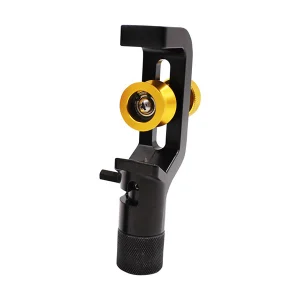
Armored cable stripping tools that score and remove steel armor safely without damaging the fibers inside. Request a quote.
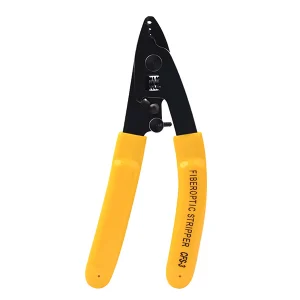
Fiber cable jacket stripping tools that open the outer jacket to a controlled depth without nicking buffer tubes or fibers. Request a quote.
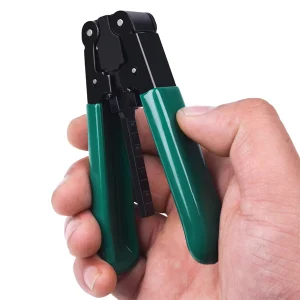
Flat drop cable stripping tools that open FTTH flat drop cable and separate its strength members cleanly. Request a quote.
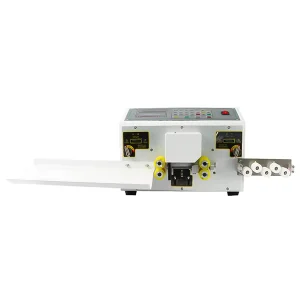
Automated fiber cable stripping machines for fast, consistent jacket and coating removal in production and high-volume work. Request a quote.
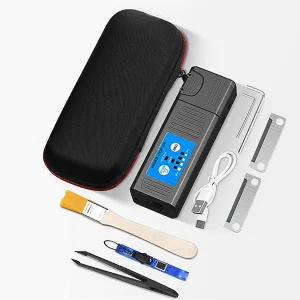
Thermal fiber stripping tools that soften the coating with controlled heat to remove it cleanly — no nicks, no weakened glass. Request a quote.
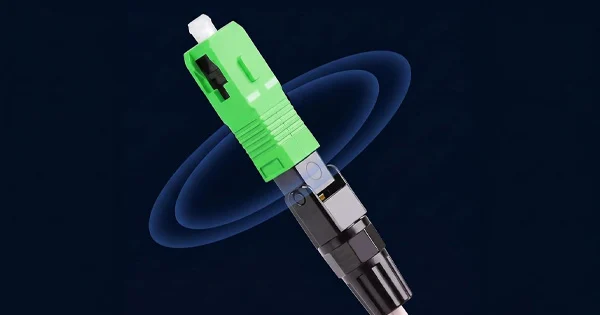
How to connect two fiber optic cables: fusion splicing, mechanical splicing, and connectors compared, with steps, trade-offs, and the strip-clean-cleave basics.
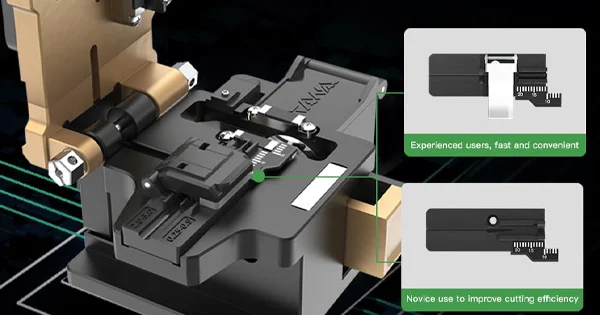
How to cut optical fiber cable properly: strip, clean, and cleave in sequence, the tools you need, safety, and the mistakes that ruin an end face.
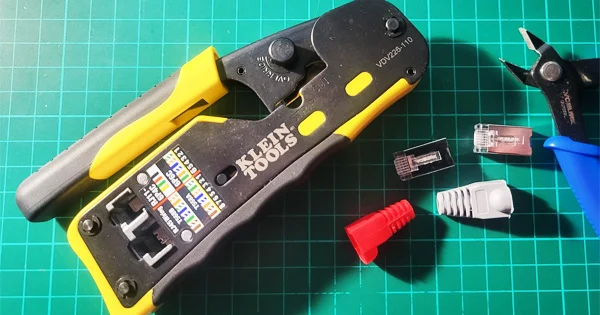
A complete cable termination tools list for copper and fiber: strippers, crimpers, punch-down tools, cleavers, splicers, and the testers to verify your work.
When the stripped fiber shows residue or the tool drags, the blade is likely worn or misaligned. A fresh blade restores clean, nick-free stripping.
We match replacement blades to common thermal stripping tools. Send your stripper make, model and coating sizes and we will confirm the correct blade.
A worn blade can nick the cladding or leave residue, weakening the fiber and contaminating the arc. Coating removal is the first prep step, so blade condition feeds directly into splice reliability.
Blades are profiled for common 250μm and 900μm coatings. Confirm your coating sizes and we will specify the right blade.
Add a review