
We import fiber test instruments for resale, and Aevumix delivers the full range on schedule with complete certifications. Consistent quality across OTDRs, meters and locators means fewer supplier headaches. Dependable partner.

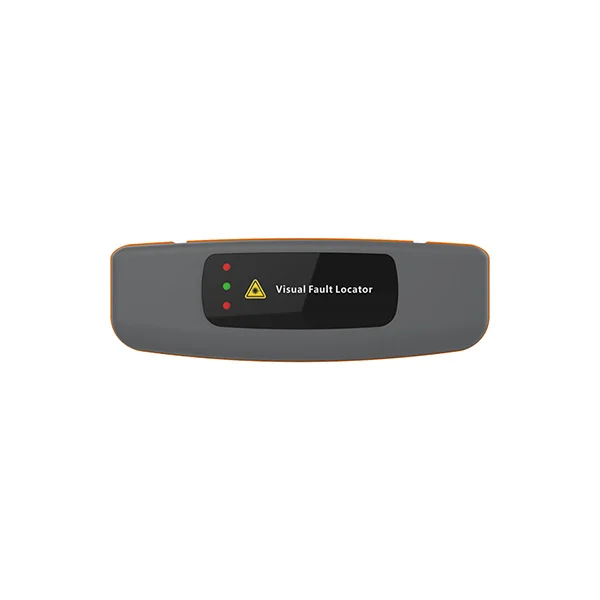
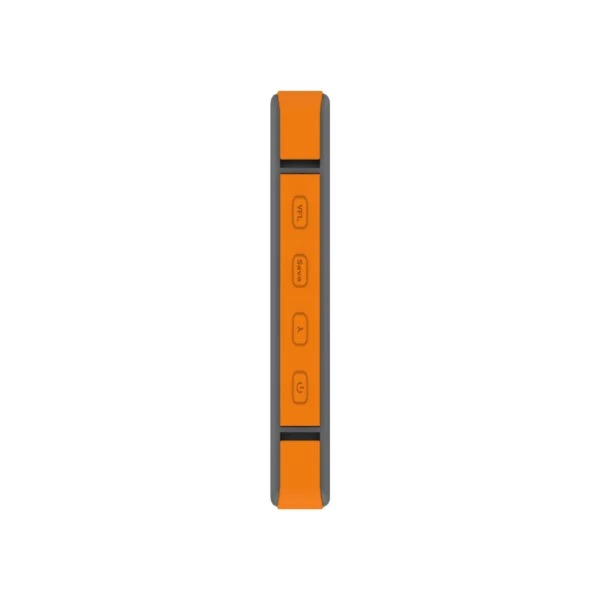
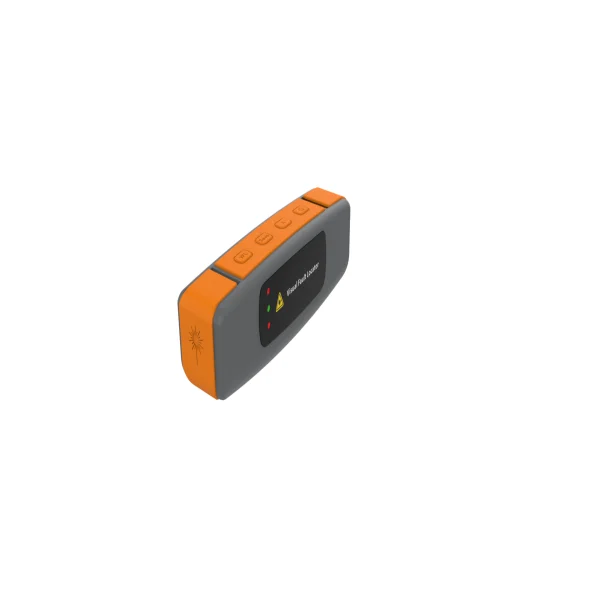
Fiber optic fault detectors that quickly locate breaks, bends and connection faults by making them visible. Request a quote.
A fiber optic fault detector answers the first question of any outage — where is the fault — by injecting bright visible light that escapes at the point of failure, so a break, sharp bend or bad connector glows where it is. For the near-end and short-link faults that dominate field callouts, this visible detection is the fastest diagnosis a technician can carry, confirming continuity and pinpointing the break without setting up heavier instruments.
Aevumix supplies fiber optic fault detectors on the visual-fault-locator principle for single-mode and multimode cable. Pen and handheld formats with continuous and flashing modes suit daily field carry, and a universal connector interface with adapters fits common connectors. The detector confirms whether a fiber is continuous, identifies the affected strand, and locates the fault visually — the everyday troubleshooting complement to an OTDR’s detailed, longer-range analysis.
Because the right detector depends on your test distance, connectors and duty, we help you specify the correct unit. Send your typical link lengths and connector types and we will recommend a fault detector and provide a quote.
| Wavelength | 650 ± 30 nm |
|---|---|
| Output Power | 2 / 5 / 10 / 20 / 50 mW (10 mW standard) |
| Modes | CW, 2 Hz |
| Connector | Universal adapter |
| Battery | 3.7 V / 500 mAh Li-ion |
| Charging Port | USB Type-C |
| Battery Life | > 5 h at continuous 10 mW output |
| Auto Power-Off | Not fitted |
| Dimensions | 98 × 33 × 23 mm |
| Weight | < 50 g |
Based on 10 customer reviews
We import fiber test instruments for resale, and Aevumix delivers the full range on schedule with complete certifications. Consistent quality across OTDRs, meters and locators means fewer supplier headaches. Dependable partner.

Aevumix combined meter, OTDR, locator and probe into a single field test set for our crews. One case, everything certified. It streamlined our field kit and the instruments have proven accurate and durable in daily use.

The visual fault locator range sells steadily under our brand. Customers value the output-power options matched to their span lengths and the MPO version for trunks. Private-label supply has been dependable.
Tell us what you need and our team will get back to you with pricing and availability as soon as possible.
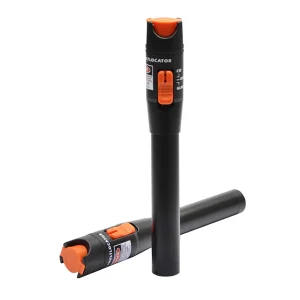
Cable fault locators that pinpoint breaks and faults in fiber cable — visible-light and reflectometer options for every distance. Request a quote.
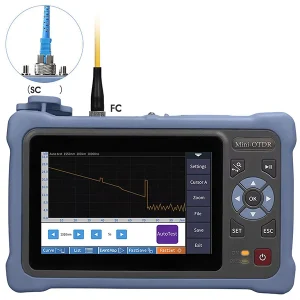
Time domain reflectometer (OTDR) cable fault locators that return distance-to-fault and event detail along the whole span. Request a quote.
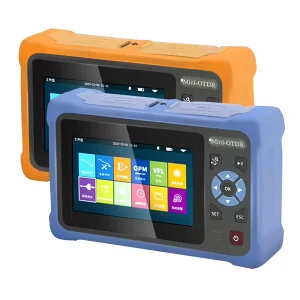
OTDR equipment for bidirectional testing that averages both directions to remove gainers and report true splice and link loss. Request a quote.
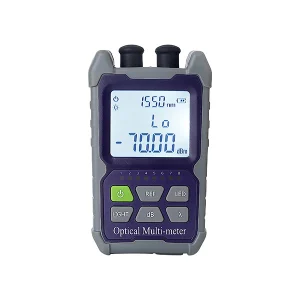
Mini OTDR testers — pocket-sized reflectometers that map events, loss and reflectance on access and short links. Request a quote.
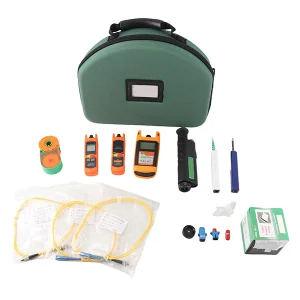
Multi-fiber pro power meters and complete fiber test kits for efficient loss testing across many fibers and connectors. Request a quote.
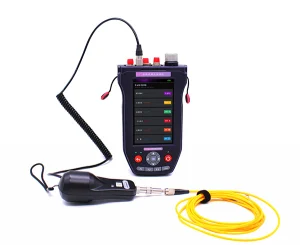
Optical return loss meters that measure reflectance and ORL to catch the back-reflection faults that degrade high-speed and analog links. Request a quote.
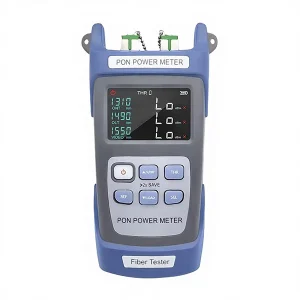
PON power meters that measure live upstream and downstream power on active FTTH networks in-line without disrupting service. Request a quote.
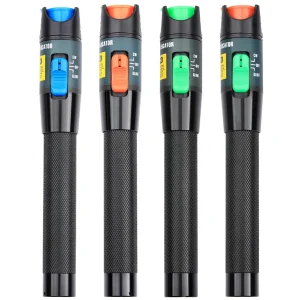
High-power visual fault locators that push visible red light farther — longer-range fault location and continuity on longer spans. Request a quote.
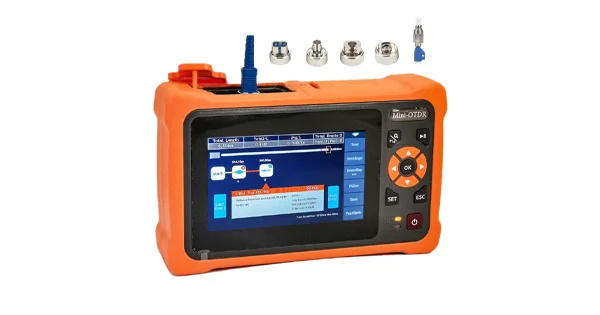
How an OTDR works: it sends a laser pulse and measures returning light. Rayleigh scattering reveals attenuation; Fresnel reflection locates events. Learn the working principle.
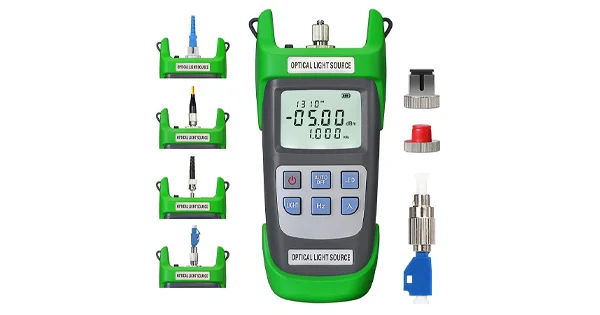
A PON power meter tests live PON links inline, reading upstream and downstream wavelengths at once; an optical power meter measures one wavelength on dark fiber. Learn when to use each.
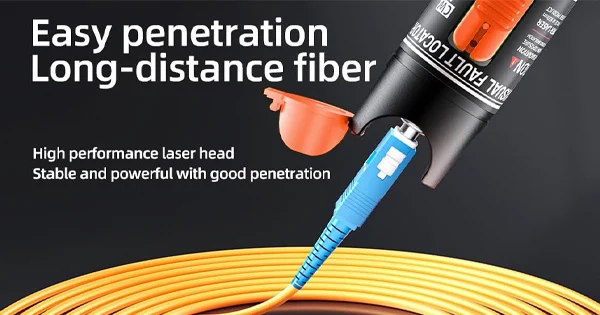
How to use a visual fault locator: connect the fiber, turn on the red laser, and find breaks, bends, and bad connectors by the light escaping. Plus VFL safety and range.
A tool — typically a visual fault locator — that injects visible light so faults such as breaks, sharp bends and bad connectors glow at the point of failure, letting you locate them by eye and confirm continuity.
A fault detector is fast and simple for near-end and short-link faults and continuity; an OTDR maps loss and events along the whole link in detail. They complement each other.
Coverage depends on output and fiber, commonly several kilometres for visible detection. Tell us your link lengths and we will recommend the right model.
Yes. Our fault detectors work on both. Send your fiber and connector types and we will confirm the right unit.
Add a review