Cleaning a fiber optic cable is not the same as wiping down a copper wire. You are dealing with a glass core just microns wide, where a single particle of dust can disrupt the signal. Learning how to clean fiber optic cable the right way — the connector end faces, the bare fiber during splicing, and the tools involved — protects your network from loss, reflection, and permanent damage.
This guide covers the correct methods, tools, and safety practices, all based on industry best practice used by professional installers.
Why Fiber Optic Cable Cleaning Is Critical
The most common cause of fiber network problems is contamination on the connector end face — dust, lint, oils, or fingerprint residue. Because the single-mode core is only about 9 microns across, a contaminant that is invisible to the eye can block light, cause insertion loss, and generate back reflection. Mating a dirty connector to a clean one contaminates both and can scratch the glass permanently.
There is a simple rule the industry lives by: if you handle it, inspect it and clean it. Clean before you connect, every time — even with brand-new, capped connectors.
Two Different Cleaning Situations
“Cleaning fiber optic cable” actually covers two distinct tasks, and the method differs:
- Connector end faces: the polished ferrule tips at the ends of a patch cord or pigtail. Cleaned with dry or wet-to-dry methods before every mating.
- Bare fiber during splicing: the stripped glass strand prepared for a fusion or mechanical splice. Cleaned with the wet method before cleaving.
How to Clean Connector End Faces
Follow the inspect–clean–inspect method for every connector.
Step 1: Inspect First
Remove the dust cap and inspect the end face with a fiber scope or digital probe. If it passes, mate it — no cleaning needed. Cleaning an already-clean connector can add static and dust.
Step 2: Dry Clean
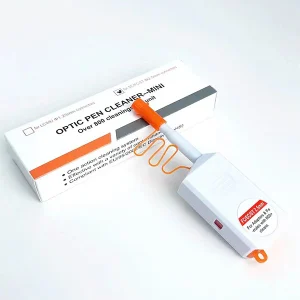
For light dust and lint, use a one-click cleaner (for connectors in adapters and ports) or a lint-free wipe or cassette cleaner (for exposed ferrules). Draw the ferrule across the cleaning surface in one straight motion, using a fresh section each time.
Step 3: Wet-to-Dry for Stubborn Contamination
For oils, fingerprints, or dried residue, apply a small drop of fiber-grade fluid or ≥99% isopropyl alcohol to a lint-free wipe, draw the ferrule from the wet area straight across to the dry area, and finish dry. This removes the static charge a purely dry wipe would leave.
Step 4: Re-Inspect
Inspect again. A clean connector shows a clear, defect-free core and cladding. Repeat if needed, then mate or recap immediately.
How to Clean Bare Fiber for Splicing
When you are splicing, cleaning happens at a very specific moment: after stripping, before cleaving.
Once you have stripped the jacket, buffer, and acrylate coating, the bare glass carries coating residue and debris that will ruin a cleave and weaken the splice. Wipe the bare fiber once with a lint-free wipe lightly dampened with a fast-drying, fiber-grade cleaning fluid, then wipe dry. The fluid must evaporate quickly so no liquid remains. Do not touch the glass afterward — proceed straight to cleaving.
The single most important rule: clean the fiber before cleaving, never after. There is nothing cleaner than the end face of a freshly cleaved fiber; wiping it afterward only contaminates it. Also clean your stripping tools, cleaver, and V-grooves, because residue in fixtures seeds recurring contamination.
Where Contamination Comes From
Understanding the sources of contamination helps you prevent it, not just clean it. The most common culprits are airborne dust and lint, which settle on any exposed end face and are readily attracted by static electricity. Handling adds fingerprint oils, which form transparent films that raise reflectance. During splice preparation, stripping leaves acrylate and buffer-coating residue on the bare glass. Even dust caps and adapters can carry contamination onto an otherwise clean connector, which is why a “clean before connect” habit matters so much.
An often-overlooked source is the technician’s own tools. Fiber stripping tools, cleavers, and V-grooves accumulate coating debris and oils that transfer straight back onto the fiber. Wiping hand tools down with a fast-drying solvent and a lint-free wipe reduces both contamination and the frustrating fiber breakage that dirty strippers can cause.
Cleaning Your Fiber Tools Too
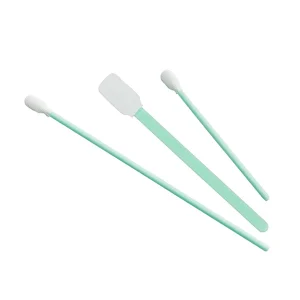
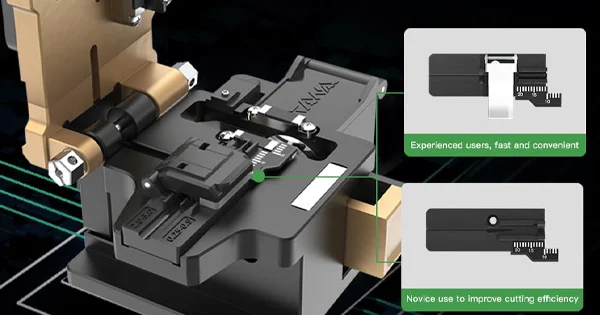
Cleaning the cable is only half the job. Residue left in fixtures seeds recurring contamination, so the fusion splicer, cleaver, and V-grooves must stay clean. Clean V-grooves, clamps, and the cleaver with a dry swab first, then a lightly moistened swab followed by a dry one if needed. Keep the cleaver blade and anvil free of glass shards using a soft brush or air bulb, and collect the shards in a sharps container. A clean toolset produces better cleaves and stronger, lower-loss splices.
Cleaning Methods Compared
| Situation | Method | Tools |
| Light dust on connector end face | Dry cleaning | One-click cleaner, cassette cleaner, lint-free wipe |
| Oils / residue on connector end face | Wet-to-dry | Fiber-grade fluid or ≥99% IPA + lint-free wipe |
| Bare fiber before splicing | Wet method (before cleaving) | Fast-drying fluid + lint-free wipe |
| Recessed ports / mating sleeves | Swab cleaning | Connector-specific swab, lightly dampened |
The Real Cost of Skipping Cleaning
Cleaning takes seconds; skipping it can cost hours. A contaminated end face raises insertion loss and back reflection, which shows up as slow links, intermittent errors, or outright failures that are hard to trace. On high-speed links, poor reflectance from a dirty or scratched connector is a leading cause of performance problems. When a dirty connector is mated to a clean one, both end faces are contaminated at once, and hard particles trapped in the contact zone can gouge permanent scratches and pits into the glass — damage that cleaning can never undo, forcing a re-termination or cable replacement. Set against that, connector cleaning is one of the cheapest forms of insurance in an optical network.
Safety and Handling Tips
- Wear eye protection: fiber shards from stripping and cleaving are tiny, sharp, and dangerous. Collect scraps in a dedicated sharps container.
- Use only optical-grade materials: household wipes and low-grade alcohol leave lint and film. Use fiber-grade fluid or ≥99% IPA.
- Never touch the glass or end face: skin oil is hard to remove and degrades the signal.
- Cap cleaned connectors immediately: but remember caps protect, they do not clean — a dirty cap recontaminates a clean ferrule.
- Do not flood connectors or ports with fluid: excess liquid wicks contamination inside.
Best Practices for a Clean Result
Beyond the specific methods, a few habits separate consistent technicians from those who chase intermittent faults. Keep the work area free of dirt before you open a connector, since dust in the air settles straight onto exposed end faces. Adopt a strict “clean before connect” policy so every mating — even of new, capped components — starts from a verified-clean state. Open sealed wipes, swabs, and cleaner reels only when you need them, and reseal or discard consumables promptly. Cap cleaned connectors immediately to protect them in transit. And build inspection into the routine rather than treating it as optional; a scope is what turns cleaning from a hopeful wipe into a confirmed result.
Find the Right Cleaning Products
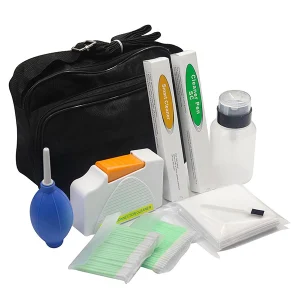
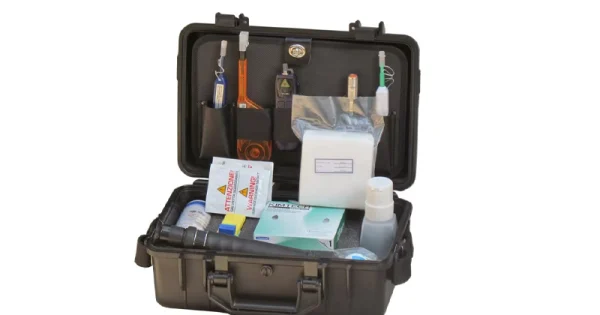
Clean fiber depends on purpose-built consumables, not makeshift materials. Aevumix offers a full range of fiber optic cleaning products — one-click cleaners, cassette cleaners, cleaning pens, swabs, lint-free wipes, and fiber-grade solvents — suited to connector cleaning and splice preparation alike. If you need help choosing the right products for your cables and workflow, get in touch with our team.
FAQs
What Should I Use to Clean Fiber Optic Cable?
Use optical-grade tools: one-click cleaners and cassette cleaners for dry cleaning, lint-free wipes and swabs with a fiber-grade fluid for wet-to-dry cleaning, and a fast-drying fluid for bare fiber before splicing. Avoid household wipes and low-purity alcohol.
Can I Clean a Fiber Connector With Isopropyl Alcohol?
Only high-purity (≥99%) isopropyl alcohol or a dedicated fiber-grade fluid, and always follow with a dry pass. Lower-grade or denatured alcohol leaves a reflective film, evaporates too slowly, and can be corrosive to connectors.
Should I Clean Fiber Before or After Cleaving?
Always before. Clean the stripped bare fiber before cleaving to remove coating residue and debris. Never clean after cleaving — the freshly cleaved end face is already pristine and wiping it only contaminates it.
How Often Should Fiber Optic Cables Be Cleaned?
Clean before every connection, even with new or capped connectors, and any time inspection reveals contamination. A “clean before connect” policy prevents dust and handling residue from degrading the link.
Is Compressed Air Good for Cleaning Fiber Cable?
Ordinary canned air is not recommended as a main method because it can expel propellant or moisture and tends to relocate particles. A filtered, oil-free dry gas source may help remove loose dust from hard-to-reach areas only.